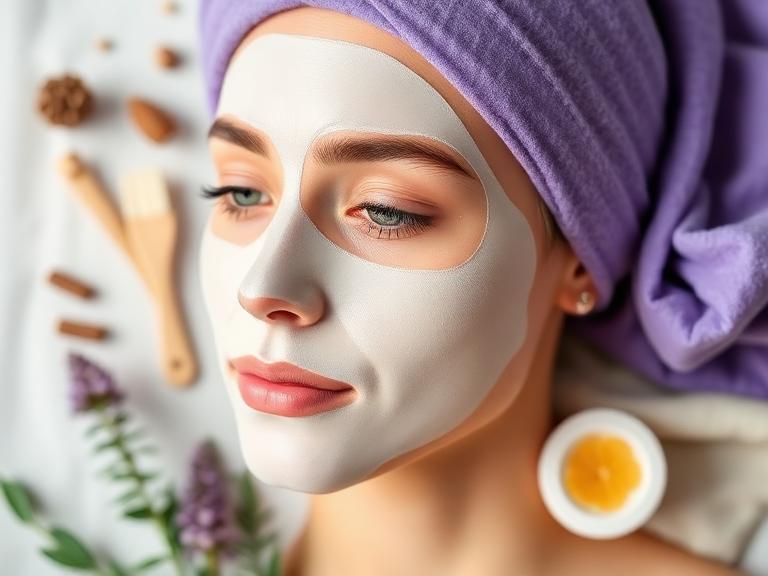
Skincare doesn’t always have to involve expensive products or complicated routines. Sometimes, a few simple ingredients sitting in your kitchen can be used to create an easy homemade face pack.
Ingredients like honey, yogurt, oatmeal, banana, aloe vera, cucumber, and besan have long been used in traditional and home skincare routines. While DIY face packs aren’t a replacement for dermatologist-recommended skincare, they can be a simple way to give your skin some extra care.
The key is to choose ingredients that suit your skin type and avoid harsh combinations that may cause irritation.
If you’re looking for easy DIY face packs using kitchen ingredients, here are 10 simple recipes you can try at home.
1. Honey and Yogurt Face Pack
Honey and yogurt are two easy-to-find ingredients that work well together in a simple homemade face pack.
Yogurt contains lactic acid, while honey is a humectant, meaning it can help attract and retain moisture. This combination may leave your skin feeling soft and moisturized.
How to Make It
Mix:
- 1 tablespoon plain, unsweetened yogurt
- 1 teaspoon honey
Apply a thin layer to clean skin and leave it on for 10–15 minutes. Rinse with lukewarm water and gently pat your face dry.
This face pack can be a good option when your skin feels dry or lacks moisture.
2. Oatmeal and Honey Face Pack
Oatmeal is a popular ingredient in gentle skincare products because it can help soothe and protect the skin barrier. When combined with honey, it makes a simple homemade face pack.
How to Make It
Combine:
- 1 tablespoon finely ground plain oatmeal
- 1 teaspoon honey
- A little water or plain yogurt
Mix until you have a smooth paste. Apply it gently to your face and leave it on for about 10–15 minutes.
Rinse without aggressively rubbing the mixture against your skin.
This can be particularly appealing for people whose skin feels dry or uncomfortable.
3. Banana and Honey Face Pack
If you have a ripe banana that is about to go uneaten, you can use a small portion to make a quick DIY face pack.
Bananas provide a creamy texture and can make the skin feel soft, while honey helps add moisture.
How to Make It
Mash:
- ½ ripe banana
- 1 teaspoon honey
Mix thoroughly and apply the mixture to clean skin. Leave it on for around 10–15 minutes before rinsing.
It’s an inexpensive option when you want to experiment with a simple homemade skincare treatment.
4. Aloe Vera and Cucumber Face Pack
Aloe vera and cucumber are often used in refreshing skincare routines. Both can create a cooling, soothing sensation, making this combination particularly pleasant during hot weather.
How to Make It
Combine:
- 1 tablespoon pure aloe vera gel
- 1–2 tablespoons finely grated cucumber
Mix well and apply a thin layer to your face. Leave it on for approximately 10–15 minutes, then rinse gently.
If you’re using fresh aloe vera, make sure the yellow latex near the leaf is removed properly before using the clear gel.
5. Besan and Yogurt Face Pack
Besan, also called gram flour or chickpea flour, is a traditional ingredient commonly used in Indian homemade skincare.
Combined with plain yogurt, it creates a simple paste that can be used as a short face treatment.
How to Make It
Mix:
- 1 tablespoon besan
- 1 tablespoon plain yogurt
- A few drops of water if necessary
Apply a thin layer to your face and allow it to sit for approximately 10 minutes. Rinse gently with lukewarm water.
Avoid scrubbing your skin aggressively while removing the pack.
6. Avocado and Honey Face Pack
Avocado contains naturally occurring fats and has a creamy texture, making it suitable for a moisturizing DIY face pack.
If you have a ripe avocado in your kitchen, this recipe takes only a few minutes to prepare.
How to Make It
Mash:
- 2 tablespoons ripe avocado
- 1 teaspoon honey
Mix until smooth and apply to clean skin. Leave it on for 10–15 minutes before washing it off.
This may be more suitable for people with dry skin. If you have oily or acne-prone skin, a lighter face pack may feel more comfortable.
7. Oatmeal and Banana Face Pack
Oatmeal and banana create another simple combination for skin that feels dry or rough.
The oatmeal provides a mild base, while mashed banana gives the mixture a smooth and creamy consistency.
How to Make It
Combine:
- ½ ripe banana
- 1 tablespoon finely ground oatmeal
- 1–2 teaspoons water or plain yogurt
Apply the mixture evenly to clean skin. Leave it on for about 10–15 minutes and then rinse gently.
Use finely ground oatmeal rather than coarse pieces to minimize friction.
8. Honey and Aloe Vera Face Pack
If you prefer a face pack with only two ingredients, honey and aloe vera are worth considering.
Aloe vera is commonly used in soothing skincare products, while honey can help support skin hydration.
How to Make It
Mix:
- 1 tablespoon pure aloe vera gel
- 1 teaspoon honey
Apply a thin layer and leave it on for around 10–15 minutes. Rinse thoroughly with lukewarm water.
Before using the mixture on your entire face, patch-test the ingredients separately, especially if you have sensitive skin.
9. Tomato and Yogurt Face Pack
Tomatoes are commonly included in homemade skincare recipes, although they can be irritating for some people.
If you want to try a tomato-based face pack, keep the recipe simple and don’t leave it on for too long.
How to Make It
Mix:
- 1 tablespoon plain yogurt
- 1 teaspoon fresh tomato pulp
Apply a small amount to your face and leave it on for approximately 5–10 minutes.
Rinse thoroughly. If you experience burning, itching, redness, or significant irritation, wash it off immediately and discontinue use.
10. Rice Flour and Yogurt Face Pack
Rice flour is another ingredient traditionally used in homemade skincare routines. Mixing it with yogurt creates a simple paste that can be used as an occasional face pack.
How to Make It
Mix:
- 1 tablespoon finely ground rice flour
- 1 tablespoon plain yogurt
Apply a thin layer to your face and leave it on for around 10 minutes. Rinse gently with lukewarm water.
Don’t scrub aggressively while removing it. Excessive physical exfoliation can irritate the skin.
How Often Should You Use DIY Face Packs?
More isn’t necessarily better when it comes to skincare.
For most people, using a DIY face pack once or twice a week is plenty. Some recipes may be better used less frequently, particularly if they contain ingredients that can be irritating or drying.
Pay attention to how your skin reacts. If you notice persistent redness, itching, burning, dryness, or breakouts, stop using the recipe.
It’s also a good idea to introduce one new DIY face pack at a time. This makes it easier to identify which ingredient may be causing a reaction.
DIY Face Packs for Different Skin Types
Your skin type can help you decide which recipe to try.
For Dry Skin
Honey, yogurt, avocado, and banana-based recipes may be more comfortable for skin that feels dry.
For Sensitive Skin
Simple oatmeal-based recipes may be worth considering, but patch-testing is especially important. Even gentle ingredients can cause reactions in some people.
For Oily Skin
Choose lighter formulations and avoid ingredients that leave your skin feeling excessively greasy. A DIY face pack should not leave your pores feeling heavily coated.
For Combination Skin
You may find that different areas of your face have different needs. Rather than applying a rich mixture everywhere, consider using lighter formulations where your skin tends to become oily.
Important Safety Tips for Homemade Face Packs
Before trying any homemade skincare recipe, keep a few precautions in mind.
Patch-Test New Ingredients
Apply a small amount to a discreet area of skin before using a new ingredient on your face. This can help you identify potential irritation.
Don’t Use Irritating Ingredients
Be careful with popular DIY ingredients such as lemon juice, baking soda, undiluted essential oils, and harsh scrubs. Natural ingredients can still cause irritation or damage the skin barrier.
Use Clean, Fresh Ingredients
Prepare only enough face pack for one use. Homemade mixtures don’t contain the preservatives found in many commercial skincare products.
Don’t Apply to Broken Skin
Avoid using DIY face packs on cuts, open wounds, active sunburn, or severely irritated skin.
Moisturize Afterward
After rinsing off your face pack, gently pat your skin dry and apply a moisturizer appropriate for your skin type.
If you’re going outside during the day, remember that sunscreen is still important. A homemade face pack cannot replace sun protection.
Are DIY Face Packs Better Than Store-Bought Products?
Not necessarily.
Homemade face packs can be affordable and convenient, but professionally formulated skincare products are usually developed with specific concentrations, preservatives, stability testing, and skin-safety considerations.
Think of DIY face packs as an occasional addition to your routine rather than a replacement for products designed to address specific skin concerns.
If you have persistent acne, eczema, severe dryness, unexplained rashes, or other ongoing skin problems, it’s better to speak with a dermatologist instead of relying only on homemade remedies.
Frequently Asked Questions
1. What is the best DIY face pack using kitchen ingredients?
There isn’t one face pack that is best for everyone. Honey and yogurt may work well for dry-feeling skin, while oatmeal-based recipes can be a gentler option for some people. Your skin type and individual sensitivity should guide your choice.
2. Can I use a homemade face pack every day?
It’s generally not necessary to use a face pack every day. Once or twice a week is a reasonable starting point. If a particular recipe causes dryness or irritation, use it less often or stop using it.
3. Which kitchen ingredients are good for dry skin?
Honey, yogurt, banana, avocado, and oatmeal are commonly used in homemade skincare routines for dry-feeling skin. However, individual results can vary.
4. Are DIY face packs safe for sensitive skin?
Some DIY face packs may be suitable for sensitive skin, but there is no guarantee that a natural ingredient will be gentle for everyone. Always patch-test first and avoid harsh ingredients.
5. Can DIY face packs remove acne?
DIY face packs should not be considered a proven treatment for acne. Some ingredients may temporarily make your skin feel refreshed, but persistent acne may require evidence-based skincare or professional treatment.
Final Thoughts
Making a face pack at home can be a simple way to add something different to your skincare routine without spending a lot of money. With ingredients such as honey, yogurt, oatmeal, banana, aloe vera, cucumber, avocado, and besan, you have plenty of easy combinations to experiment with.
Just remember that skincare isn’t about finding a miracle ingredient. Consistency, gentle products, adequate moisture, and sun protection matter much more in the long run.
If you decide to try one of these DIY face packs using kitchen ingredients, start with a small patch test, keep the recipe simple, and stop if your skin becomes irritated. Your skin will always tell you what works best for it.